
Moroccan Baddaz: Traditional Corn Couscous Recipe from Morocco
Moroccan Baddaz: Traditional Corn Couscous Recipe from Morocco
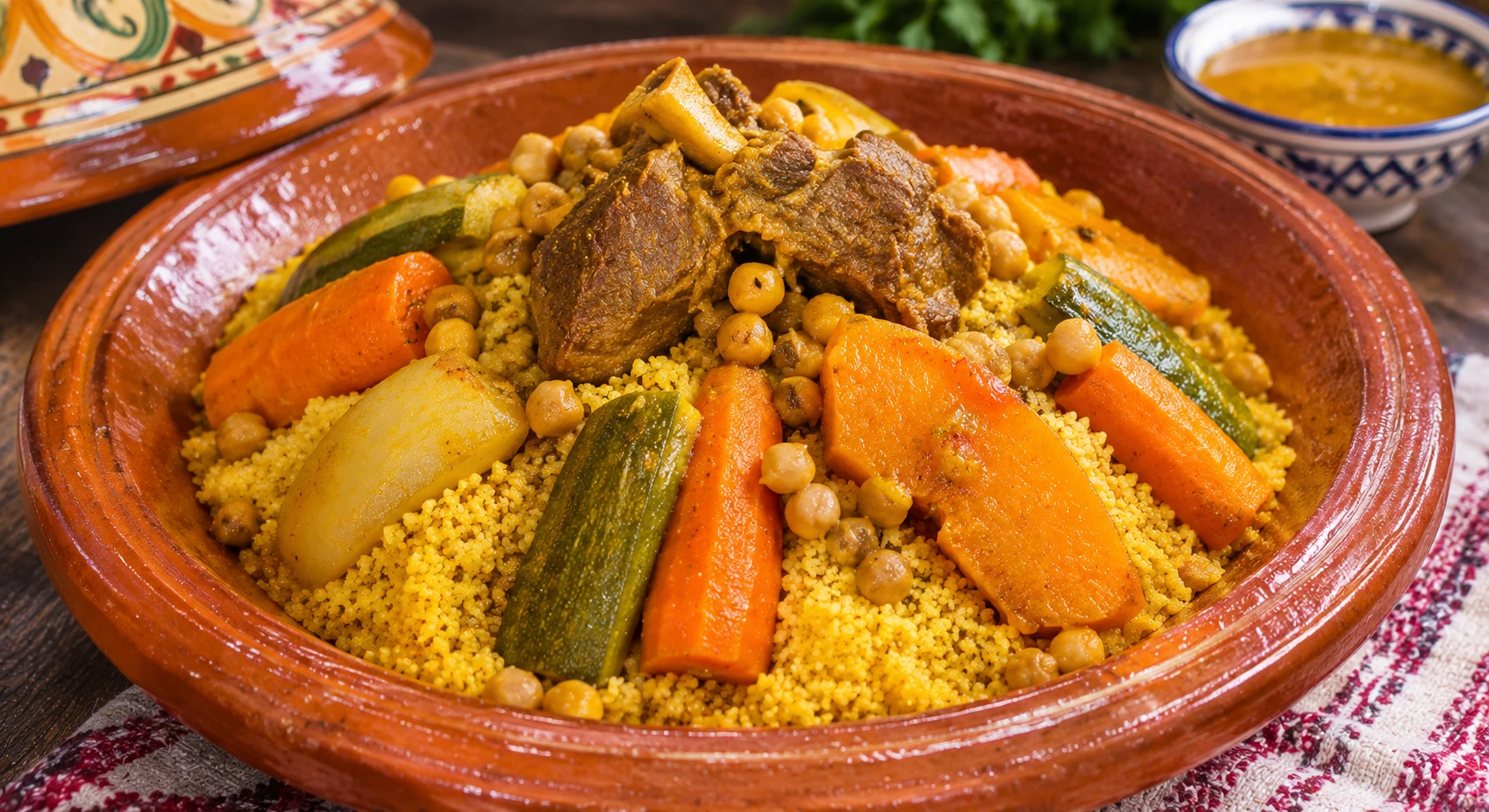
Moroccan Baddaz is a traditional corn couscous dish that represents the richness and diversity of Moroccan cuisine. Prepared with corn semolina, seasonal vegetables, aromatic spices, and sometimes meat or fish, this comforting meal is deeply connected to Morocco’s Amazigh culinary heritage.
Unlike the internationally famous Moroccan couscous made from wheat semolina, Baddaz has a distinctive golden color, rustic texture, and pleasantly earthy corn flavor.
The dish is especially associated with the Souss region of southern Morocco, although different versions are also prepared in other parts of the country.
For generations, Moroccan families have enjoyed Baddaz as a nourishing homemade meal, often served on a large communal platter.
In this article, you will discover what Moroccan Baddaz is, its cultural significance, traditional ingredients, and a step-by-step recipe for preparing delicious corn couscous at home.
Moroccan Baddaz: What Is This Traditional Corn Couscous?
Moroccan Baddaz is a regional variation of couscous made primarily from corn semolina rather than durum wheat.
The corn grains are moistened, gently worked by hand, and steamed in a traditional Moroccan couscoussier until they become tender and fluffy.
Baddaz is usually accompanied by a flavorful vegetable broth containing ingredients such as carrots, turnips, pumpkin, zucchini, onions, and tomatoes.
Depending on the region and family tradition, the dish may also include beef, lamb, chicken, or fish.
Its preparation follows many of the same principles as traditional Moroccan couscous, but corn semolina requires careful handling to achieve the right texture.
The result is a delicious, satisfying dish with a unique flavor that distinguishes it from ordinary wheat couscous.
The Origins of Baddaz in Moroccan Amazigh Cuisine
Baddaz occupies a special place in the culinary traditions of Morocco’s Amazigh communities.
It is particularly well known in the Souss-Massa region, where traditional cooking makes extensive use of locally available agricultural products.
Corn-based couscous reflects the ability of Moroccan families to adapt familiar cooking techniques to different grains and regional ingredients.
Over time, Baddaz became associated with homemade meals, agricultural traditions, and family gatherings.
Although Souss is one of the regions most strongly connected with this dish, variations are also found elsewhere in Morocco.
Some families prepare it with meat and vegetables, while coastal communities may serve corn couscous with fish.
These regional differences demonstrate the remarkable diversity of traditional Moroccan cooking.
Ingredients for Authentic Moroccan Baddaz
This recipe presents a traditional-style Moroccan Baddaz prepared with corn semolina, beef, and seasonal vegetables.
The ingredients can be adjusted according to personal preferences and regional traditions.
Preparation time: Approximately 30 minutes
Cooking time: Approximately 1 hour 30 minutes to 2 hours
Servings: 6 people
Ingredients for the Corn Couscous
| Ingredient | Quantity |
|---|---|
| Coarse corn semolina (corn couscous) | 500 g |
| Olive oil | 3 tablespoons |
| Salt | 1 teaspoon |
| Water for moistening | Approximately 400–500 ml, added gradually |
Use coarse corn semolina or corn couscous suitable for steaming. Very fine corn flour will not produce the same separated grains.
Ingredients for the Vegetable Broth
| Ingredient | Quantity |
|---|---|
| Beef or lamb, cut into pieces | 500 g |
| Large onion, chopped | 1 |
| Tomatoes, grated or chopped | 2 |
| Carrots, peeled and halved | 3 |
| Turnips, peeled and halved | 2 |
| Zucchini, cut into large pieces | 2 |
| Pumpkin, cut into large pieces | 300 g |
| Green cabbage | ¼ small head |
| Chickpeas, soaked overnight | ½ cup |
| Olive oil | ¼ cup |
| Fresh parsley and cilantro | 1 small bunch |
| Water for the broth | Approximately 1.5–2 liters |
Traditional Moroccan Spices
| Spice | Quantity |
|---|---|
| Ground ginger | 1 teaspoon |
| Ground turmeric | 1 teaspoon |
| Black pepper | ½ teaspoon |
| Ground cumin | ½ teaspoon |
| Salt | To taste |
| Saffron threads | A small pinch, optional |
These spices create a fragrant broth that complements the natural flavor of corn.
To learn more about the seasonings used in traditional recipes, explore our guide to Moroccan spices.
How to Make Moroccan Baddaz Step by Step
Preparing Moroccan Baddaz requires patience, especially when steaming the corn semolina.
Traditionally, Moroccan cooks use a couscoussier, a two-part cooking pot that allows the broth to simmer underneath while the couscous steams above.
Step 1: Prepare the Meat and Broth
Place the meat in the bottom section of the couscoussier.
Add the chopped onion, tomatoes, olive oil, ginger, turmeric, black pepper, cumin, and salt.
Cook over medium heat for approximately 8–10 minutes, stirring occasionally.
Allow the onions to soften and the meat to absorb the aromatic seasonings.
Add the soaked and drained chickpeas, parsley, cilantro, and approximately 1.5 liters of water.
Bring the mixture to a boil, then reduce the heat and allow it to simmer gently.
Step 2: Prepare the Corn Semolina
Place the corn semolina in a large, shallow Moroccan platter called a gassaa.
Add the olive oil and mix gently with your hands to coat the grains.
Dissolve the salt in some of the measured water.
Gradually sprinkle the salted water over the semolina while rubbing the grains between your fingers.
Avoid adding too much water at once because corn semolina can become sticky and form lumps.
Allow the moistened grains to rest for approximately 10–15 minutes.
Separate any remaining clumps before steaming.
Step 3: Steam the Corn Couscous for the First Time
Transfer the prepared corn semolina into the upper section of the couscoussier.
Place it over the simmering broth.
Make sure steam can rise through the grains.
Once steam begins escaping through the top of the couscous, continue steaming for approximately 15–20 minutes.
Carefully remove the steamer and transfer the hot grains back into the large platter.
Allow them to cool slightly before handling.
Step 4: Add the Firm Vegetables
While the corn couscous is steaming, check the meat and chickpeas.
Add the carrots, turnips, and cabbage to the simmering broth.
These vegetables require more cooking time than zucchini and pumpkin.
Continue cooking until they begin to soften.
If the broth has reduced considerably, add a little hot water.
The sauce should remain plentiful enough to moisten the finished couscous.
Step 5: Steam the Baddaz a Second Time
Gently separate the steamed corn grains using a fork or your hands once cool enough to touch.
Sprinkle with additional water, mixing gradually to distribute the moisture evenly.
Allow the grains to absorb the liquid for several minutes.
Return the corn couscous to the steamer.
Steam for another 15–20 minutes after steam begins passing through the grains.
This second steaming helps soften the corn while maintaining its characteristic texture.
Step 6: Add the Remaining Vegetables
Add the zucchini and pumpkin to the broth.
Continue simmering until all the vegetables are tender without falling apart.
Check the meat and chickpeas to ensure they are fully cooked.
Taste the broth and adjust the salt or spices as needed.
The sauce should be fragrant, lightly golden, and rich with the flavors of the vegetables.
Step 7: Steam the Corn Couscous a Third Time
Transfer the Baddaz back into the serving platter.
Separate the grains and gradually add the remaining water as needed.
Return it to the steamer for a final steaming of approximately 15–20 minutes.
The finished grains should be tender, moist, and easily separated.
Depending on the coarseness of the corn semolina, a little additional steaming may be necessary.
Step 8: Assemble and Serve Moroccan Baddaz
Transfer the cooked corn couscous into a large traditional serving platter.
Fluff the grains gently and arrange them into a generous mound.
Place the cooked meat in the center.
Arrange the vegetables attractively around the meat, alternating their colors.
Gradually spoon some of the hot broth over the corn couscous.
Serve the remaining broth separately so everyone can add more according to preference.
Moroccan Baddaz is best enjoyed immediately while warm.
Moroccan Baddaz vs. Traditional Wheat Couscous
Although Baddaz and wheat couscous share similar cooking methods, their ingredients and textures differ.
| Feature | Moroccan Baddaz | Traditional Couscous |
|---|---|---|
| Main ingredient | Corn semolina | Durum wheat semolina |
| Color | Golden yellow | Pale cream |
| Flavor | Earthy, naturally sweet corn flavor | Mild wheat flavor |
| Texture | Rustic and slightly coarse | Light and fluffy |
| Cooking method | Traditionally steamed | Traditionally steamed |
| Regional association | Strongly associated with Souss and other regional traditions | Popular throughout Morocco |
Both dishes are important expressions of Moroccan food culture.
However, Baddaz offers a distinctive alternative for anyone interested in exploring lesser-known Moroccan recipes.
Popular Regional Variations of Moroccan Baddaz
One of the most interesting characteristics of Moroccan Baddaz is its versatility.
Baddaz with Meat and Vegetables
This is a comforting version prepared with beef or lamb, chickpeas, seasonal vegetables, and a richly seasoned broth.
Baddaz with Fish
In some coastal Moroccan communities, Baddaz is prepared with fish instead of meat.
This variation highlights the relationship between regional agriculture and the fishing traditions of Morocco’s Atlantic coast.
Vegetarian Moroccan Baddaz
Baddaz can also be prepared without meat.
A generous selection of vegetables, chickpeas, olive oil, and aromatic spices creates a satisfying plant-based version.
Some regional preparations also incorporate culinary argan oil for its distinctive nutty flavor.
Tips for Making Perfect Moroccan Corn Couscous
Choose the right corn semolina. Coarse corn couscous works better than finely ground corn flour.
Add water gradually. Excess moisture can make the grains sticky.
Steam more than once. Repeated steaming helps produce a tender texture.
Separate the grains carefully. Breaking up lumps between steaming sessions improves the final result.
Use seasonal vegetables. Fresh ingredients contribute natural sweetness and flavor to the broth.
Do not overcook the vegetables. They should remain tender enough to eat while holding their shape.
Serve with enough broth. Corn couscous absorbs liquid, so a generous amount of sauce makes the dish more enjoyable.
Frequently Asked Questions About Moroccan Baddaz
What is Moroccan Baddaz made from?
Moroccan Baddaz is made primarily from corn semolina. It is traditionally steamed and served with vegetables, aromatic broth, and sometimes meat or fish.
Is Baddaz the same as regular couscous?
No. Traditional Moroccan couscous is generally made from durum wheat semolina, while Baddaz uses corn semolina, giving it a different color, flavor, and texture.
Is Moroccan Baddaz gluten-free?
Pure corn is naturally gluten-free. However, packaged corn couscous may contain traces of wheat through processing. People who must avoid gluten should choose certified gluten-free corn couscous and check all other ingredients.
Where does Baddaz come from?
Baddaz is associated with Moroccan Amazigh culinary traditions, particularly in the Souss region. Other regional versions also exist.
Can I make Baddaz without meat?
Yes. A vegetarian version can be prepared with chickpeas, seasonal vegetables, olive oil, and traditional Moroccan spices.
Can I use regular cornmeal for Baddaz?
Coarse cornmeal may work if its texture is suitable for steaming. Very fine corn flour is not recommended because it does not produce the characteristic separated couscous grains.
Final Thoughts: Discover the Authentic Taste of Moroccan Baddaz
Moroccan Baddaz is a delicious reminder that Moroccan cuisine extends far beyond its internationally famous tagines and wheat couscous.
With its golden corn grains, colorful vegetables, aromatic spices, and traditional steaming technique, Baddaz offers an authentic taste of Morocco’s regional culinary heritage.
Whether prepared with meat, fish, or vegetables, this traditional dish celebrates simple ingredients, patient cooking, and the pleasure of sharing food with family.
If you enjoy discovering traditional recipes and regional specialties, explore more authentic Moroccan dishes at Moroccanfoode.com.
From the mountains to the Atlantic coast, every region of Morocco has its own culinary treasures, and Baddaz is certainly one worth discovering.